
Inventory Management for Renewables
Renewable energy operations require specialized inventory management to maintain distributed assets across solar, wind, and battery installations.
The Renewables Inventory Challenge
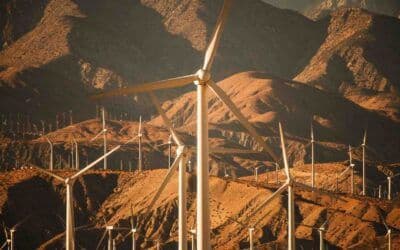
Renewable energy installations present unique inventory management challenges. Solar farms, wind turbines, and battery storage facilities are often located in remote areas, spread across vast geographic regions, and require specialized components that may have long lead times.
Key Inventory Considerations
Spare Parts Management
Wind turbine gearboxes, solar inverters, and battery management systems are expensive and may require weeks or months to procure. Maintaining optimal spare parts inventories balances the cost of carrying stock against the much higher cost of extended equipment downtime.
Geographic Distribution
Renewable assets are inherently distributed. A single organization may operate sites across multiple states or countries. Inventory management must account for parts stored at central warehouses, regional depots, and individual site locations.
Specialized Equipment
Many renewable energy components are highly specialized and not interchangeable between equipment models or generations. Precise tracking of part numbers, compatibility information, and technical specifications is essential.
Inventory Management Strategies
Criticality-Based Stocking
Not every spare part deserves the same inventory investment. Classify components by their impact on operations and their procurement lead time. High-impact, long-lead-time items warrant safety stock while commonly available items can be ordered as needed.
Shared Inventory Pools
Organizations with multiple sites can reduce total inventory costs by maintaining shared regional pools of critical spares rather than stocking each site independently.
Predictive Demand Planning
Historical failure rates, equipment age data, and environmental conditions help predict when replacement parts will be needed. Aligning procurement with predicted demand reduces both stockouts and excess inventory.
The Impact on Project Economics
Renewable energy projects are evaluated on their levelized cost of energy. Efficient inventory management reduces operations and maintenance costs, directly improving project economics and investor returns. Every dollar saved in inventory costs contributes to making renewable energy more competitive.