
How Tracking Assets Brings Asset Visibility
True asset visibility goes beyond knowing what you own. It means understanding where assets are, their condition, and how they are being used.
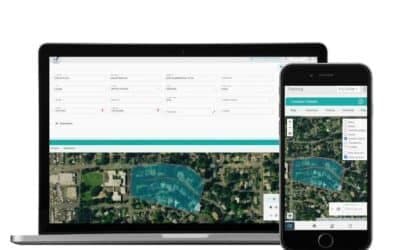
What Is Asset Visibility?
Asset visibility means having clear, accurate, and timely information about your physical assets. It answers the fundamental questions that drive operational decisions: What do we have? Where is it? What condition is it in? Who is using it? When does it need maintenance?
Levels of Visibility
Basic Visibility: What We Have
The foundation of asset visibility is a complete inventory. Many organizations struggle to maintain even this basic level because assets are acquired, moved, and disposed of without consistent documentation.
Location Visibility: Where It Is
Knowing what you own is useful, but knowing where it is makes that information actionable. Real-time and historical location data enables staff to find equipment quickly and managers to optimize asset distribution.
Condition Visibility: What Shape It Is In
Understanding asset condition, including age, maintenance history, performance metrics, and inspection results, supports proactive maintenance and informed replacement decisions.
Utilization Visibility: How It Is Being Used
Usage data reveals whether assets are being effectively employed. Underutilized assets represent capital that could be redeployed, while overutilized assets may be at risk of premature failure.
How Tracking Creates Visibility
Consistent Data Capture
Every barcode scan, GPS ping, and sensor reading adds to your visibility picture. The key is consistency. Partial tracking creates partial visibility, which can be worse than no visibility because it provides false confidence.
Centralized Records
All asset data, regardless of how it was captured or where the asset is located, must flow into a single system. Centralized data is the prerequisite for complete visibility.
Real-Time Updates
Visibility has a shelf life. Records that were accurate last week may not reflect today's reality. Real-time data capture ensures that the information you see represents the current state of your assets.
The Business Value of Visibility
Organizations with strong asset visibility make better decisions, respond faster to problems, and spend less on unnecessary purchases. Visibility is not a feature or a technology. It is the outcome of consistently applying good tracking practices supported by the right tools.