
How Data Centers Use Sitehound for Asset Tracking
Data centers manage dense concentrations of high-value IT equipment. Precision tracking is essential for operations, capacity planning, and compliance.
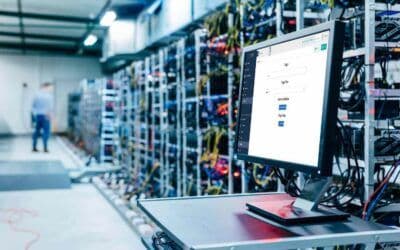
Data Center Asset Management
Data centers house the computing infrastructure that powers modern business. Servers, storage arrays, network switches, power distribution units, cooling systems, and cabling create a dense, complex environment where precise asset management is not optional.
Unique Data Center Requirements
Rack-Level Precision
Data center assets must be tracked not just by room or row but by specific rack, rack unit, and port. This precision supports capacity planning, power management, and troubleshooting.
Rapid Change Management
Data center equipment changes frequently as workloads shift, hardware fails, and capacity expands. Tracking systems must keep pace with the speed of change in these dynamic environments.
Environmental Monitoring
Temperature, humidity, and power consumption affect equipment performance and lifespan. Integrating environmental sensor data with asset records helps identify equipment at risk and optimize facility operations.
Compliance and Audit Requirements
Data centers often support compliance-sensitive workloads. Accurate asset records are essential for SOC 2, PCI DSS, HIPAA, and other regulatory frameworks that require documentation of the physical infrastructure supporting protected data.
Tracking Capabilities for Data Centers
Visual Rack Management
Digital representations of racks show what equipment is installed at each position, its power requirements, network connections, and current status. This visual approach makes capacity planning and change management intuitive.
Cable Management
Tracking cable connections between devices, patches, and infrastructure supports troubleshooting and change management. Knowing what is connected to what prevents the accidental disruption that comes from undocumented cabling.
Lifecycle Management
From procurement and staging through production deployment and eventual decommissioning, tracking equipment through every lifecycle stage ensures nothing falls through the cracks.
Integration with DCIM
Data Center Infrastructure Management tools benefit from accurate asset data. Integration between asset tracking and DCIM systems creates a comprehensive view of the physical and logical data center environment.
Operational Benefits
Accurate data center asset tracking reduces mean time to repair by helping technicians find equipment faster, supports capacity planning with reliable inventory data, and simplifies the audit and compliance processes that data center operators must regularly navigate.